Top SEO Tools 2025

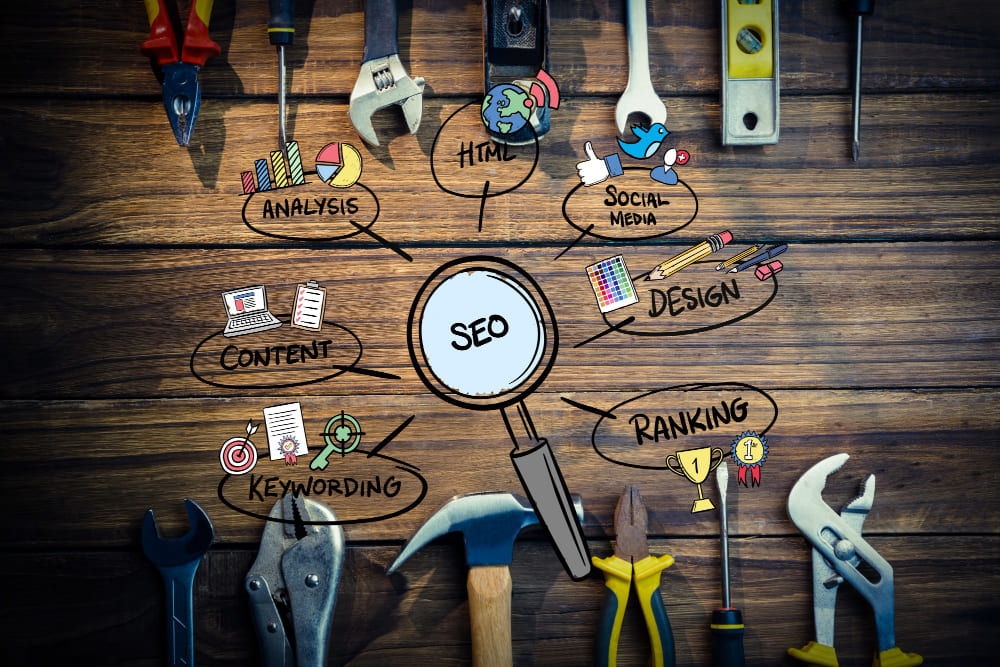
SEO tooling used to mean one thing: keyword research and backlink counts. That’s still half the job. The other half, increasingly, is making sure what you publish actually reads as something a person wrote, because search engines have gotten noticeably less patient with content that reads like it came out of a template.
Google’s helpful-content updates since 2023 have specifically targeted the pattern of unedited AI output published at volume. That doesn’t mean AI-assisted writing is banned or penalized on its own, it means thin, unedited, formulaic content gets flagged regardless of how it was produced, and AI made it trivially easy to produce a lot of that fast. An SEO stack in 2025 needs a content-quality check alongside the usual keyword and backlink tools, not instead of them.
None of the ten tools below are new discoveries. What’s changed is where they sit in the stack relative to each other, and whether a quality-control step exists at all before content goes live.
Why Content Quality Checking Belongs in Your SEO Stack Now
Pangram is the tool worth naming first for this specific reason. It’s an AI content detector built for editorial QA rather than academic plagiarism checking, sentence-level highlights show exactly which passages read as generated, and it holds one of the lowest false-positive rates in the category, which matters more than raw detection accuracy once you’re running it against your own team’s writing and don’t want to flag a human writer’s clean draft by mistake. Free tier available, paid plans starting around $20 a month. Running drafts through it before publishing catches the flat, repetitive tells that both readers and search quality reviewers have started noticing. You can try Pangram free here if content QA isn’t currently part of your publishing checklist.
10 SEO Tools Worth the Budget
1. Ahrefs
Still the industry standard for backlink analysis, keyword research and competitor gap data. If you’re only going to pay for one all-in-one platform, this is the safest default, starting around $99 a month. The learning curve is real but the depth of data justifies it once you’re past the first month of confusion.
2. Semrush
Broader than Ahrefs in scope, covering technical audits, content planning and PPC research alongside the core keyword and backlink tools. From roughly $139.95 a month. Worth the premium over Ahrefs if you need the PPC and social features in the same subscription rather than paying for separate tools.
3. Moz Pro
The friendliest entry point of the big three. Domain authority scoring, keyword tracking and on-page recommendations presented in a way that doesn’t require a dedicated SEO hire to interpret. From about $99 a month, and a reasonable starting point if Ahrefs’ interface has ever made you close the tab in frustration.
4. Surfer SEO
A content optimization tool, not a research platform, it scores a draft against what’s actually ranking for a target keyword and tells you what’s structurally missing. From around $89 a month. Pairs well with a keyword tool rather than replacing one.
5. Pangram
Covered above. Worth repeating here in the numbered list because it belongs in the same rotation as the research and optimization tools, not as an afterthought bolted onto your process once a penalty already hits. Try it free before your next batch of content goes live.
6. Screaming Frog
A desktop crawler for technical audits: broken links, duplicate titles, missing meta descriptions, redirect chains. Free for the first 500 URLs, a paid license runs about £199 a year after that. Every serious technical audit still starts here regardless of what else is in the stack.
7. Google Search Console
Free, mandatory, and underused. It’s the only tool on this list that shows you what Google actually sees and how it’s actually indexing your pages, rather than a third-party estimate of the same thing. If you’re not checking Search Console weekly, everything else on this list is working with incomplete information.
8. Yoast SEO or Rank Math
The two dominant WordPress on-page SEO plugins, both with solid free tiers covering schema markup, readability checks and basic recommendations. Rank Math’s free tier tends to include more features out of the box; Yoast’s paid tier has a longer track record. Either is a reasonable default for a WordPress site.
9. Frase
An SEO content builder combining SERP analysis with AI-assisted drafting. From about $14.99 a month, it’s aimed at speeding up the research-to-outline phase specifically, not replacing the writing itself. Pair anything drafted here with a Pangram pass before publishing, since AI-assisted outlining is exactly the workflow that produces the flat, formulaic output search engines have started penalizing.
10. Clearscope
A premium content optimization tool built for editorial teams managing content at scale, with a cleaner reporting interface than Surfer but a higher price tag, from around $189 a month. Makes more sense once you have multiple writers who need a shared standard to write against than for a solo blogger.
Building the Actual Stack
Most functional SEO setups build around one of the big three, Ahrefs, Semrush or Moz, plus Search Console for the free, first-party data none of the paid tools can fully replicate. Add an on-page optimizer, Surfer or Clearscope depending on team size and budget, a technical crawler like Screaming Frog for periodic audits, and Pangram as the content QA layer sitting right before publish.
That’s five tools, not fifteen. Buying every tool on this list because each one does something useful is how a solo seller ends up paying for six overlapping subscriptions and using none of them properly. Pick the combination that covers research, on-page, technical, and quality, then get good at that stack before adding anything else.
Getting genuinely good at five tools produces better results than owning fifteen and skimming the dashboards once a month. Depth of use beats breadth of subscription almost every time in this category.
SEO Tools for WordPress Specifically
If you’re running a WordPress store or blog, the plugin layer matters as much as the platform layer. Yoast and Rank Math handle the on-page basics, but plugin choice affects load speed, schema output and crawlability in ways a generic SEO checklist won’t catch. Our roundup of the best WordPress plugins for SEO goes deeper into the WordPress-specific side of this stack, including a few plugins that don’t show up on generic best-of lists because they’re WordPress-only tools.
Search Console deserves more attention than most sellers give it. It’s free, it’s first-party, and it’s the only place that shows genuine indexation and query data rather than a third-party crawler’s estimate. Our walkthrough on using Google Search Console to improve website SEO covers the reports worth checking weekly versus the ones you can safely ignore.
When Local SEO Tools Belong in the Mix
Everything above assumes national or global search intent. If your business, or a client’s, competes on local search results, none of the tools above are purpose-built for that job. Local pack rankings, citation consistency and Google Business Profile optimization need dedicated tooling, and generic keyword platforms handle that poorly at best. Our list of the best local SEO software covers what to add if any part of your traffic depends on “near me” searches or a physical service area.
The Content Quality Problem Isn’t Going Away
Search quality teams and reviewers are actively trained to spot generated content now, and the detection tools built for the same purpose have gotten meaningfully more accurate over the past two years. Publishing at volume without a quality check is a bet that your content won’t get looked at closely. That bet gets worse every quarter, not better.
If you’re building out a content-heavy site, especially one selling digital products where trust and expertise signals carry real weight, our roundup of AI content detection tools for digital listings and stores covers the broader category beyond Pangram alone, including a couple of options aimed specifically at product listing copy rather than long-form articles. Product descriptions get less editorial attention than blog content on most stores, and that’s exactly where thin, generated copy tends to slip through unnoticed the longest.
Mistakes That Waste an SEO Tool Budget
Subscribing to every tool on a “best of” list is the most common one, and it’s an easy trap because each tool genuinely does something well in isolation. The problem isn’t any individual subscription, it’s that nobody has time to actually learn six overlapping platforms, so most of them get checked once a month at best and never properly integrated into a workflow. Pick fewer tools and actually use them daily.
Chasing Domain Authority or Domain Rating as a goal in itself is another. These are third-party metrics, not Google ranking factors, and optimizing directly for them can pull attention away from things that actually move rankings: search intent match, page experience, genuine topical depth. Track them as a rough signal, not a scoreboard.
Running a technical audit once and never again is the third. Screaming Frog crawls are a snapshot. A site that passed a clean audit six months ago can have accumulated broken links, orphaned pages and duplicate titles since, especially if content has been published regularly in the meantime. Quarterly crawls, at minimum, catch this before it compounds.
And skipping the content-quality check because “our writers are good” misses the actual risk. Even skilled human writers develop repetitive patterns, and AI-assisted drafting tools have made certain phrasings so common across the web that they read as generated even when a person wrote every word by hand. A quick Pangram pass catches this regardless of who or what produced the draft.
Matching Tools to Where Your Business Actually Is
A brand-new site with under a hundred pages doesn’t need Ahrefs or Semrush yet. Search Console, a free-tier WordPress SEO plugin, and Screaming Frog’s free crawl limit cover the fundamentals while there isn’t enough traffic data for a paid research tool to produce insights that free tools can’t already surface. Spend the budget on content and links instead during this phase.
Once you’re publishing consistently and have enough ranking pages to actually compete for competitive terms, a paid research platform starts earning its keep, mostly through competitor gap analysis and keyword difficulty scoring that free tools handle poorly. This is also the point where a content optimization tool like Surfer starts making sense, because you have enough content volume that structural consistency across pages actually matters.
At scale, multiple writers, dozens of pages published monthly, the content-quality layer and a heavier optimization platform like Clearscope become closer to mandatory than optional. The cost of one thin or flagged batch of content at that volume is bigger than the subscription cost of catching it beforehand.
Questions Worth Answering Before You Subscribe to Anything
Do I need both Ahrefs and Semrush?
Almost never. They overlap enough in core functionality that running both is rarely worth double the cost for a single seller or small team. Pick based on which interface you find easier to work in daily, since you’ll use the one you don’t fight with far more consistently.
Is Rank Math actually better than Yoast?
For most WordPress sites, Rank Math’s free tier ships with more features unlocked out of the box, schema types and a built-in redirect manager among them. Yoast has the longer track record and a slightly gentler learning curve for a first-time user. Either is a reasonable default, and switching later is possible but annoying enough that it’s worth picking carefully the first time.
How often should I actually check Search Console?
Weekly, at minimum, for the coverage and performance reports. Indexing issues and sudden ranking drops show up here first, often days before a third-party tool’s crawl would catch the same problem. Treat it as a dashboard you glance at, not a report you generate quarterly.
Will an AI content detector flag content that’s actually fine?
Any detector has some false-positive rate, which is exactly why the tool’s benchmark accuracy matters more than its marketing claims. Pangram’s specific advantage here is a comparatively low false-positive rate against clean human writing, which matters in practice: a tool that flags your best writer’s normal style as “likely AI” every week trains your team to ignore the warnings entirely, defeating the point of running the check at all.
Picking Your Starting Point
If budget is the constraint, start free: Search Console, plus Yoast or Rank Math’s free tier, plus Screaming Frog’s 500-URL limit. That covers technical basics and on-page fundamentals at zero cost. Add a paid research tool once you’ve outgrown what free tooling can tell you, usually once you’re managing more than a handful of pages competing for real keywords.
If you’re already running a content operation with multiple writers, the content-quality layer stops being optional. One flagged batch of thin, generated pages can drag down trust signals for the whole domain, not just the pages responsible. Catch it before publish, not after a ranking drop forces the audit.
What Changed Since the Old “Best SEO Tools” Lists
Most SEO tool roundups still published in 2025 read like they were written in 2021. They cover keyword volume, backlink counts and on-page checklists, and nothing about content quality verification, because that category barely existed until AI writing tools made mass content production trivial. The gap between those old lists and what an actual working stack needs now is exactly the content-QA layer.
This isn’t a hypothetical risk being used to sell a product. Sites that scaled content production aggressively after 2023 without a quality check in the pipeline have, in a meaningful number of cases, seen exactly the kind of traffic decline the helpful-content updates were built to cause. The correction, when a site notices, is expensive: rewriting or pruning hundreds of pages costs far more time than a per-article check would have cost on the way in.
A Note on Tool Overlap With Your Analytics Stack
SEO tools tell you what to rank for and how you’re doing against competitors. They don’t tell you what happens after someone clicks through, whether the page actually converts, whether they bounce immediately, whether they come back. That’s a separate measurement problem, and conflating the two is a common mistake. Ranking well for a keyword that doesn’t convert is a vanity win, not a business result.
If you’re selling through Easy Digital Downloads, tie your SEO reporting to actual conversion data rather than treating rankings as the finish line. A page ranking on page one that converts at half the rate of a page three spot with better buyer intent is the worse page, even though the ranking looks better on paper. Our guide on using EDD analytics and conversion tracking to make data-driven growth decisions covers how to connect the two data sets, so SEO reporting and actual revenue stop living in separate spreadsheets that never get compared.
Set that comparison up once, and every keyword decision after that gets easier, because you’re no longer guessing which rankings are worth defending and which ones just look good on a monthly report nobody acts on.