The Best 10 Online Community Building Tools 2025


A social media following isn’t the same thing as a community, and treating the two as interchangeable is one of the more expensive mistakes a business or creator can make. Followers scroll past you at an algorithm’s discretion. A community is a space people actively choose to return to, where they talk to each other, not just consume from you, and that difference shows up directly in retention, loyalty, and how much people are willing to pay for continued access. Building that kind of space takes the right platform underneath it, and the right platform depends heavily on what kind of community you’re actually trying to run.

What separates a real community platform from a broadcast channel
A genuine community tool gives members a way to talk to each other, not just to the organizer. That distinction rules out a lot of tools that get lumped into this category loosely: an email newsletter, a one-way broadcast channel, or a comment section under content isn’t a community platform in the sense that matters here, since none of them let members build relationships with one another independent of the content itself. The platforms that actually earn the label give members profiles, the ability to start their own conversations, and some form of ongoing group identity, whether that’s a forum thread, a group chat, or a membership tier.
What to weigh before choosing one
Ownership matters more than most people weigh it upfront. A community built entirely on a platform you don’t control, a Facebook Group, a Discord server tied to someone else’s infrastructure, can vanish or change its rules overnight in ways entirely outside your influence, while a self-hosted community lives on infrastructure you actually own. Ease of use matters just as much on the member side as the admin side, since a platform that’s a hassle to navigate loses members quietly over time even if nobody complains directly. Customization and branding affect whether the community feels like a genuine extension of your business or a generic space that happens to have your logo pasted on it. Integration with the rest of your stack, your CRM, your email platform, your payment processor if you’re running paid memberships, determines how much manual work falls on you to keep member data in sync across systems. And scalability matters for anyone with real growth ambitions, since migrating an established, active community to a new platform later is genuinely painful and risks losing members in the transition.
Ten platforms worth comparing
1. BuddyX
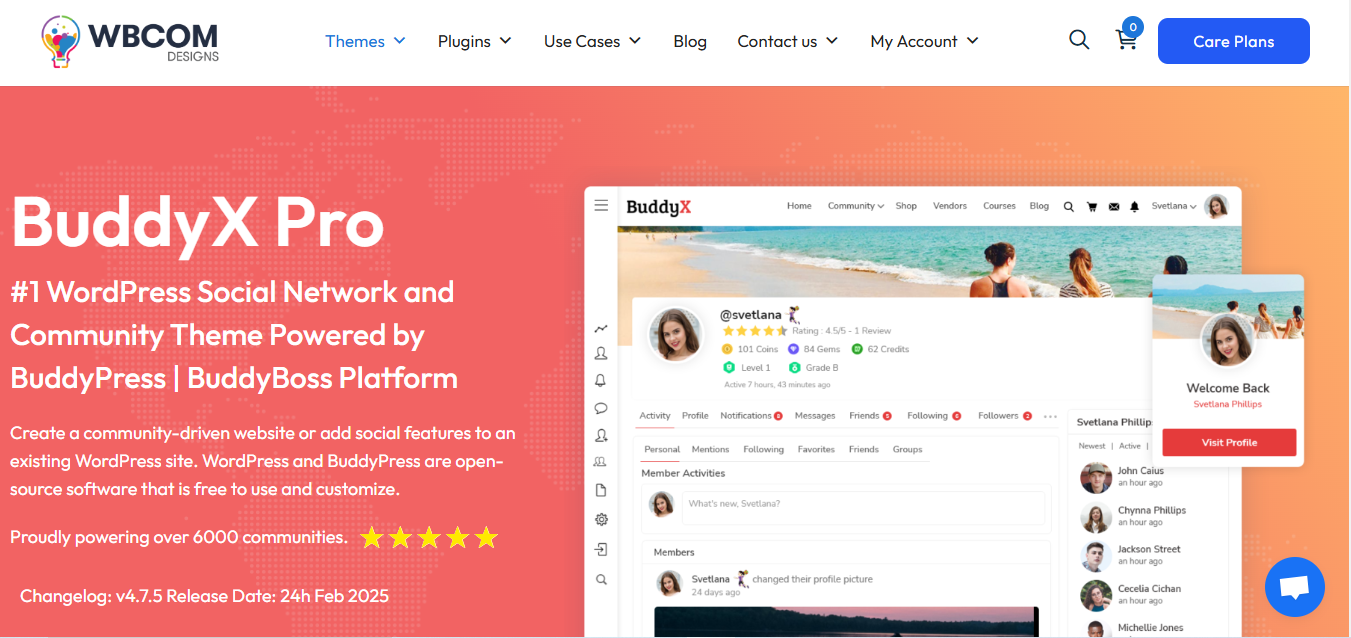
BuddyX is a WordPress theme built specifically for community sites, social networks, membership platforms, and e-learning communities, and it’s the one genuinely self-hosted option on this list where you own the infrastructure outright rather than renting space on someone else’s platform. It integrates directly with BuddyPress and BuddyBoss for member profiles, private messaging, groups, and activity streams, supports WooCommerce for selling access or products, and connects with LMS plugins like LearnDash, TutorLMS, and LifterLMS for communities built around courses. For anyone who wants a community that lives on their own domain, under their own control, with the flexibility WordPress’s plugin ecosystem provides, it’s a fundamentally different proposition than any hosted SaaS platform on this list.
2. Mighty Networks
Mighty Networks positions itself as the platform for turning an audience into a genuine branded network, with more control over branding, content structure, and monetization than a generic Facebook Group offers. It’s built with premium memberships, courses, and live events in mind from the start, rather than bolted on as an afterthought, which makes it a natural fit for creators and educators who want to combine community with paid content in one place. Its mobile app experience is a real strength, letting members stay engaged from their phone rather than only through a desktop browser.
3. Discord
Discord has moved well past its gaming roots into a genuinely versatile community tool, offering real-time voice, video, and text channels with deep customization through roles, permissions, and bots. Its strength is immediacy, conversations happen live and feel more like hanging out in a shared space than posting into a forum thread that might get a reply hours later. That immediacy is also its limitation for some use cases, since Discord’s fast-moving chat format makes older, valuable discussions harder to surface later compared to a structured forum built around searchable, organized threads.
4. Discourse
Discourse brings a genuinely modern approach to the classic forum format, open-source, feature-rich, and built for structured, searchable discussion rather than the fast scroll-and-forget pace of chat platforms. Its built-in moderation tools, spam protection, and analytics give admins real visibility into community health, and its ability to integrate with email means members can participate via email reply without needing to log into a separate site every time. For communities where the archive of past discussion is genuinely valuable, technical support communities, knowledge-sharing groups, Discourse’s structured format holds up better over time than a chat-first platform.
5. Slack
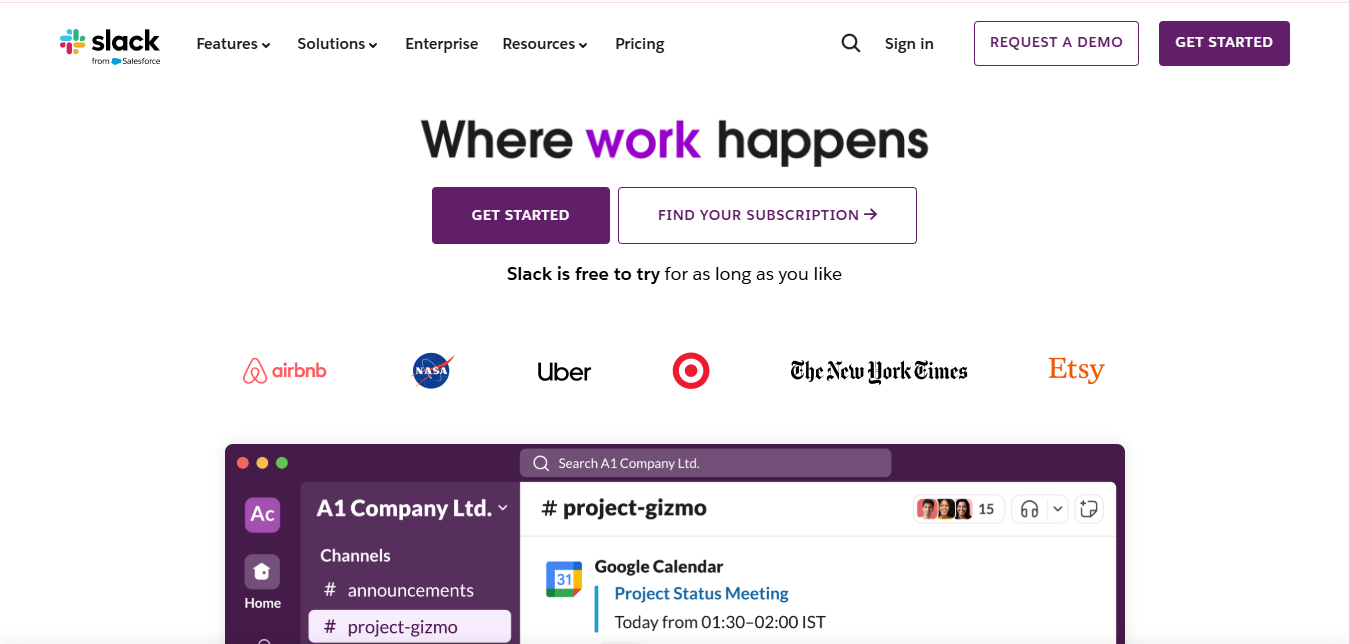
Slack was built for internal team communication, but plenty of businesses have adapted it into a workable customer or member community tool, using organized channels, direct messaging, and its large third-party integration library to keep a community connected. It’s a particularly natural fit for professional or B2B communities where members already live inside Slack for their own work and adding one more workspace carries minimal friction. Its free tier’s message history limits become a real constraint for larger, more active communities, which is worth factoring into cost projections before committing.
6. Facebook Groups
Despite the rise of dedicated community platforms, Facebook Groups remain relevant simply because of reach: your audience is very likely already there, which removes the biggest barrier most new community platforms face, getting people to actually show up. Built-in tools like polls, live video, and event hosting cover a lot of engagement ground without any additional software. The tradeoff is real: you don’t own the platform, Facebook’s algorithm determines how much organic reach your posts actually get even within your own group, and Meta can change policies or features with no input from community owners at all.
7. Tribe
Tribe is built specifically for businesses that want a fully branded, white-labeled community experience rather than a space that visibly runs on someone else’s platform. Its integrations with tools like Shopify, HubSpot, and Zapier make it a strong fit for companies that want their community tightly connected to existing marketing and sales infrastructure rather than operating as an isolated silo. Gamification and content moderation features round out a platform aimed squarely at businesses treating community as a core retention strategy rather than a side project.
8. Kajabi Communities
Kajabi built its reputation as an all-in-one platform for online courses and digital products, and its community feature extends that into member interaction without requiring a separate tool. For creators and educators already running courses through Kajabi, adding community functionality in the same platform avoids the sync headaches of connecting a course platform to a separate standalone community tool. It’s less suited to a community that isn’t built around paid courses or coaching, since the platform’s broader feature set is optimized for that specific business model.
9. Circle
Circle has become one of the more prominent dedicated community platforms for creators and businesses specifically looking to move away from Facebook Groups without the complexity of a full custom build. It combines discussion spaces, live events, courses, and member directories in one clean interface, with strong customization for branding and member experience. Its focus on creator-led communities, rather than trying to serve every possible use case, has made it a common landing spot for creators graduating out of a Facebook Group once their audience and monetization ambitions grow past what a free social platform can support.
10. Reddit Communities
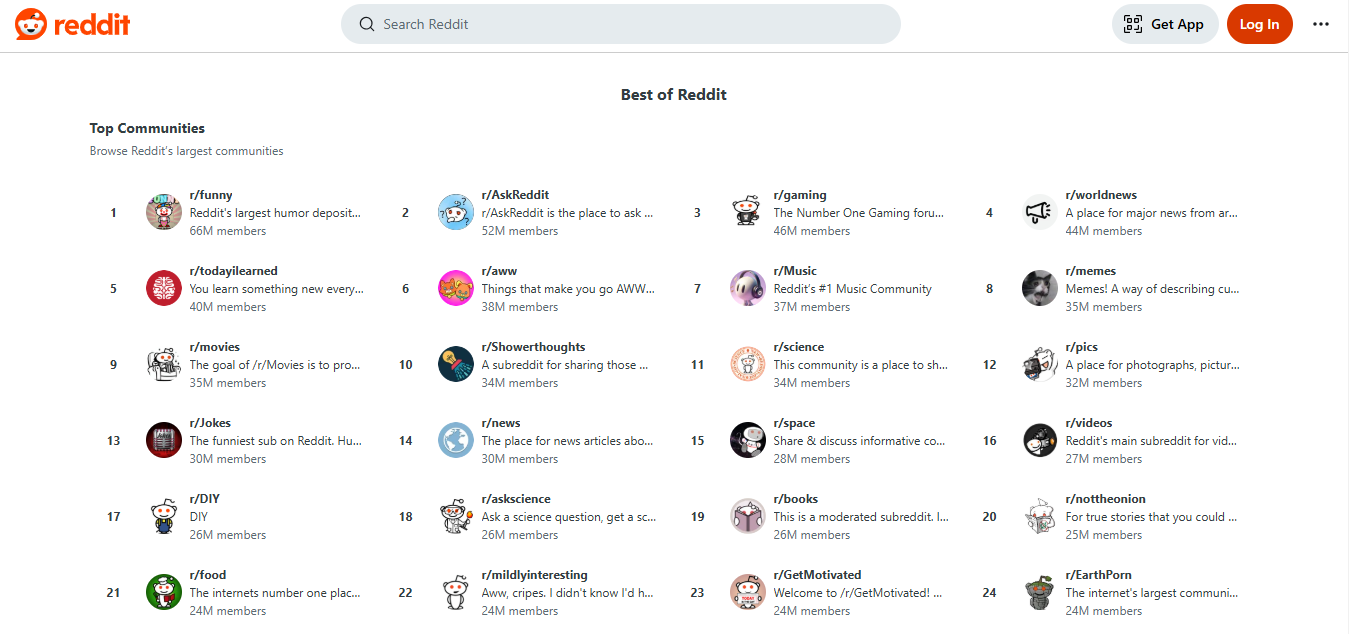
Reddit’s subreddit structure hosts genuinely deep, niche discussion at a scale few dedicated platforms can match, and for brands willing to engage authentically rather than purely promotionally, it offers access to passionate, pre-existing audiences already gathered around relevant topics. It demands real moderation discipline and a willingness to participate as a genuine community member rather than purely a marketer, since Reddit communities are famously unforgiving toward brands that show up only to sell. Done well, though, it produces some of the most candid, useful audience insight available on any platform on this list.

Matching the platform to what you’re actually building
A business that wants full ownership and long-term independence from any third-party platform’s policy changes is better served by a self-hosted option like BuddyX, even though it takes more upfront setup than a hosted SaaS tool. A creator building a paid membership around courses and coaching tends to fit naturally with Mighty Networks, Kajabi, or Circle, all of which bundle content delivery with community in one subscription. A fast-moving, real-time community, gaming, live events, active professional networking, tends to suit Discord or Slack better than a structured forum. And a business simply testing whether community is worth investing in at all might reasonably start with a free Facebook Group or subreddit before committing budget to a dedicated platform, since the lower barrier to entry lets you validate demand before building infrastructure around it.
Moderation is infrastructure, not an afterthought
Every community platform on this list eventually needs moderation, and treating that as a problem to solve later, once things get out of hand, is one of the more common mistakes new community owners make. Clear, published community guidelines set expectations before the first conflict happens rather than after, which matters because members judge a community’s culture heavily by how the first few visible disputes get handled. A platform with strong native moderation tools, role-based permissions, keyword filters, easy reporting, reduces the ongoing burden considerably compared to one where every moderation action has to be handled manually.
For a growing community, it’s worth identifying and empowering a small set of trusted members as moderators well before the community’s size makes that necessary, rather than waiting until the founder is overwhelmed trying to handle every interaction alone. Members who’ve been active and helpful from early on tend to make better moderators than outside hires, since they already understand the community’s specific culture and tone rather than applying generic moderation rules to a space they don’t fully know yet.
What actually drives ongoing engagement
A community platform creates the possibility of engagement; it doesn’t manufacture it automatically. The communities that stay genuinely active over years, not just in their exciting launch month, tend to share a few habits regardless of which platform they’re built on. A predictable rhythm of content or discussion prompts, a weekly thread, a recurring live event, gives members a reason to check back on a schedule rather than relying on them remembering the community exists. Recognizing and highlighting active members publicly, a shoutout, a badge, a small feature, reinforces the behavior that makes a community valuable in the first place and gives status-motivated members a reason to keep contributing.
Direct, personal outreach to new members in their first week matters disproportionately to long-term retention. A new member who posts an introduction and gets zero responses is far more likely to quietly disengage than one who gets even a single genuine reply within a day or two. This is a labor-intensive habit to maintain as a community scales, which is exactly why identifying and empowering active members as informal greeters or moderators early pays off later, spreading that welcoming work across more people than just the founder.
Pricing models across this category
Self-hosted options like BuddyX involve an upfront cost for the theme itself plus ongoing hosting expenses, but no per-member or per-message fees regardless of how large the community grows, which makes the long-term economics favorable for a community that scales into the thousands. Hosted SaaS platforms like Mighty Networks, Circle, Kajabi, and Tribe typically charge a recurring monthly or annual subscription that scales with member count or feature tier, which is simpler to budget for early on but can grow into a meaningful ongoing cost as a community succeeds and grows. Free platforms like Discord, Slack’s free tier, Facebook Groups, and Reddit cost nothing directly but come with real tradeoffs in ownership, message history limits, or algorithmic reach that a paid platform typically doesn’t impose.
Neither approach is universally better; the right call depends on your growth trajectory and risk tolerance. A community still validating whether it has real demand benefits from starting cheap or free and proving the concept before investing in infrastructure. A community that’s already demonstrated strong engagement and is ready to scale seriously often benefits from moving to a platform with better long-term unit economics, even if that means a more involved migration and setup process now.
Frequently asked questions
Can I run a community across multiple platforms at once?
Some organizations do, maintaining a primary hub, often a self-hosted community or dedicated platform, while also keeping a presence on Facebook or Reddit to reach audiences who haven’t migrated over yet. This adds real coordination overhead, cross-posting, managing multiple sets of community guidelines, and works best when there’s a clear primary platform rather than treating every channel as equally central.
How do I know if my community needs a paid platform yet?
A useful signal is engagement quality on whatever free platform you’re currently using. If members are having genuinely valuable conversations and asking for features your current platform can’t provide, better search, member profiles, monetization, that’s a stronger signal to upgrade than an arbitrary member count milestone.
What happens if I need to migrate platforms later?
Migration is genuinely painful for community platforms in a way it isn’t for most other software, since you’re not just moving data, you’re asking real people to change their habits and follow you to a new space, and some percentage of members won’t make that transition. This is the strongest argument for choosing a platform you’re confident you can grow into from the start, rather than treating the initial choice as easily reversible.
The platform is not the strategy
None of these tools build engagement on their own. A beautifully designed community space with no active conversation starters, no consistent presence from the organizer, and no clear reason for members to return regularly will sit quiet regardless of which platform hosts it. The businesses that build genuinely active communities treat the platform as infrastructure, necessary but not sufficient, and put real ongoing effort into seeding discussions, recognizing active members, and giving people a concrete reason to check back beyond vague goodwill toward the brand.
If the community is meant to support a paid membership model rather than exist purely for engagement’s sake, it’s worth researching the membership plugin and monetization layer alongside the community platform itself, since the two need to work together cleanly rather than as separate systems bolted on after the fact. A closer look at WordPress membership plugins for 2026 is a useful next step for anyone building a self-hosted community on WordPress specifically, and this rundown of the best membership plugins for WordPress covers the payment and access-control side that a community theme alone doesn’t handle.
Selecting the best online community-building tool depends on your needs, goals, and audience preferences. Whether you need a fully owned platform like BuddyX or a real-time hub like Discord, the right tool sets up the conditions for engagement, but sustained community health still comes down to the people running it, showing up consistently and giving members a genuine reason to keep coming back.
Interesting Reads:
10 Best Online Church Membership Software 2025